
Mushrooms
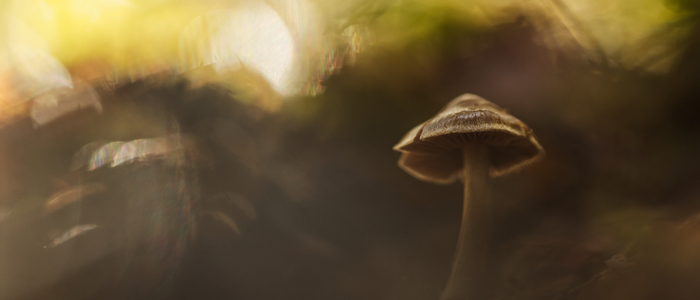
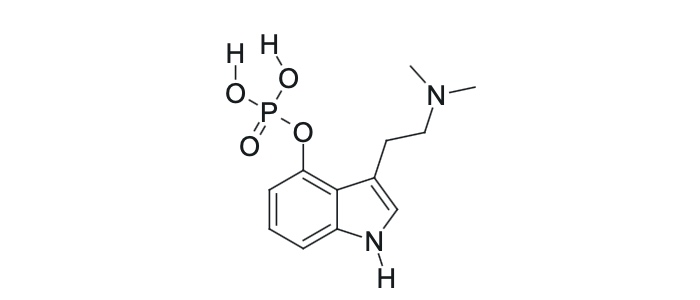
Psychoactive mushrooms of the genus Psilocybe have long been used in Central America for ritual healing purposes. Decades ago, they also found their way into therapeutic use in the West. Albert Hofmann, who synthesized LSD, was the first person to recognize psilocybin as the active ingredient in these mushrooms. In academic or derived settings, work is carried out exclusively with synthesized psilocybin. However, many therapists also use mushrooms. Their use is prohibited in Germany.
Possibly due to their natural origin, mushrooms, like ayahuasca, appear to have something like their own “spirit”, with which the user can communicate and use therapeutically, by asking the mushroom spirits for guidance or clarification. Mushrooms are therefore a very good substance for people who have a strong connection to nature and are averse to chemicals. Mushrooms can have hallucinogenic effects, and recent research also claims that they have a positive influence on nerve growth and the formation of new connections between nerve cells. Mushrooms often have surprises in store: insights or clues where you least expected them. On the other hand, they allow less control than, for example, MDMA or LSD in medium doses, so are less suitable for people who have a great need for control. The effects last around five to six hours.